

Revolutionizing Project Management: The Power of Stakeholder Management Simulation
Stakeholder management simulation is transforming the landscape of project management training. This innovative approach to professional development is taking the corporate world by storm, offering a risk-free environment for managers to hone their skills in managing relationships and navigating complex stakeholder scenarios.
The Evolution of a Stakeholder Management Simulation in Project Management
Traditional project management courses often fall short when it comes to preparing professionals for the intricate dance of stakeholder engagement. Enter the stakeholder management simulation – a gamified, virtual workshop that’s changing the game.
From Classroom to Virtual Playground
Gone are the days of dry, theoretical lectures. Today’s stakeholder simulation courses transport participants into a dynamic, interactive environment that mirrors the complexities of the modern workplace. These simulations provide a comprehensive, engaging experience that traditional classroom settings simply can’t match.
The Anatomy of a Stakeholder Management Simulation
Let’s dive into what makes these simulations tick and what it holds for the future of leadership:
Objectives That Pack a Punch
Each simulation is crafted with clear, actionable objectives. Participants aren’t just playing a game; they’re on a mission to:
- Gain buy-in from senior leadership
- Navigate tricky conversations with external stakeholders
- Manage cross-functional teams effectively
- Balance competing interests and limited budgets
Scenarios That Mirror Reality
From managing a high-stakes transformation project to dealing with a demanding client, these simulations throw participants into the deep end. But don’t worry – unlike the real world, you can’t get fired here! Online decision making games and online strategic thinking games also fall into these types of scenarios.
The Power of Immediate Feedback
One of the most valuable aspects of a stakeholder management simulation is the instant feedback loop. Participants can see the immediate consequences of their decisions, allowing for rapid learning and iteration.
Why Stakeholder Management Simulation Works

The University of Waterloo Effect
Research from the University of Waterloo has shown that simulation-based learning can increase retention rates by up to 75% compared to traditional methods. It’s not just fun and games – it’s science!
Risk-Free Practice Makes Perfect
In the safe environment of a simulation, participants can take risks, make mistakes, and learn from them without real-world consequences. It’s like a flight simulator for project managers!
Collaborative Learning at Its Finest
These simulations aren’t solo missions. They foster a collaborative atmosphere where participants can learn from each other’s perspectives and approaches.
Transforming In-House Training with Stakeholder Management Simulation
From Workshop to Workplace
The beauty of stakeholder management simulations lies in their ability to seamlessly translate into real-world skills. Participants don’t just learn theories; they develop practical capabilities that can be applied immediately in their day-to-day work.
Tailored for Your Enterprise
Many organizations are now developing in-house simulations tailored to their specific industry and challenges. Whether you’re in the automotive sector or managing environmental initiatives, there’s a simulation that fits your needs.
The Role of the Trainer in Stakeholder Management Simulation
More Than Just a Facilitator
In a stakeholder management simulation, the trainer becomes a guide, a mentor, and sometimes even a simulated stakeholder. Their role is to:
- Facilitate discussions that drive home key learnings
- Provide in-depth debriefs after each phase of the simulation
- Help participants draw connections between the simulation and their real-world challenges
Measuring your Stakeholder Management Simulation Results
Beyond Pass or Fail
The outcomes of a stakeholder management simulation go far beyond a simple score. Participants gain:
- Increased confidence in dealing with difficult stakeholders
- A wider range of communication strategies
- Improved decision-making skills under pressure
- A more nuanced understanding of stakeholder perspectives
- Applying better business analytics
Long-Term Impact
Many organizations report significant improvements in project outcomes and stakeholder satisfaction after implementing simulation-based training programs.
Professional Development for the Modern Age
Staying Ahead of the Curve
In today’s fast-paced, ever-changing business environment, traditional training methods simply can’t keep up. Stakeholder management simulations offer a dynamic, adaptive approach to professional development that keeps pace with the modern workplace.
Building a Stakeholder-Centric Culture
By investing in stakeholder simulation training, organizations send a clear message: stakeholder engagement is a top priority. This focus can lead to a shift in corporate culture, fostering more collaborative, stakeholder-centric approaches across the board.
The Future of Stakeholder Management Simulation
AI-Powered Personalization
The next frontier in stakeholder simulation is the integration of artificial intelligence. Imagine a simulation that adapts in real-time to your decisions, creating increasingly challenging scenarios tailored to your skill level.
Virtual Reality: The Ultimate Immersion
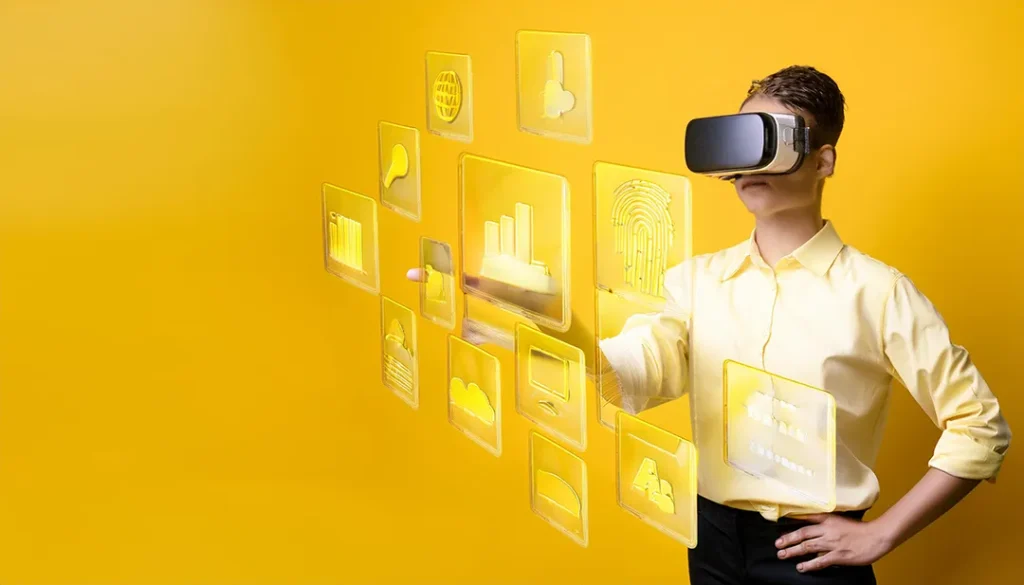
As virtual reality technology advances, we can expect to see even more immersive stakeholder simulations. Participants might soon find themselves in photo-realistic virtual boardrooms, facing off against AI-powered stakeholders that look and act just like the real thing.
Conclusion: Embrace the Simulation Revolution
Stakeholder management simulation is more than just a trend – it’s a powerful tool that’s reshaping how we approach project management and stakeholder engagement. By providing a risk-free environment to practice critical skills, these simulations are creating more capable, confident managers ready to take on the challenges of the modern workplace.
So, are you ready to level up your stakeholder management skills? It’s game on!
Get in Touch for our Stakeholder Management Simulation
FAQ for Stakeholder Management Simulation
How does a stakeholder management simulation differ from a traditional project management course?
Stakeholder management courses focus specifically on engaging stakeholders, gaining buy-in, and managing relationships. They often use innovative formats like simulations to provide hands-on practice in communicating with various stakeholder groups, from senior leadership to external partners. These courses help participants develop the capability to navigate complex scenarios and make decisions that positively impact project outcomes.
What can participants expect from a stakeholder management simulation workshop?
Participants engage in virtual exercises that simulate real-world project scenarios. They practice stakeholder engagement strategies, manage budgets, and navigate challenging situations. The workshop often includes collaborative sessions where participants share perspectives and develop action plans. Facilitators guide discussions and provide insights to enhance learning.
How are simulation results analyzed and used for improvement?
Simulation results are typically debriefed in-depth, allowing participants to reflect on their decision-making processes. Trainers and specialists analyze the outcomes, looking at factors like stakeholder satisfaction, project success, and risk management. This analysis helps identify areas for improvement and informs future professional development initiatives.
Can you describe a typical setup for a stakeholder simulation?
Modern stakeholder simulations often use a hybrid approach, combining face-to-face interactions with virtual elements. The classroom might be organized with small group stations for team exercises, central areas for facilitated discussions, and individual computer terminals for accessing the simulation platform. It’s also possible to just run this through breakout rooms on Zoom, Microsoft Teams etc.